Inca Trail vs Salkantay Trail
The most complete guide to choosing your Machu Picchu trek
Quick Comparison Table
| Topic | Inca Trail 4D | Inca Trail 2D | Salkantay 5D/4N | Salkantay 4D/3N |
|---|---|---|---|---|
| Difficulty | Moderate to hard. Stone stairs and a full day above 4,000 m | Moderate. One long hiking day at lower altitude than the 4D pass | Moderate to hard. The 4,600 m pass day is the crux | Moderate to hard, tighter pacing, longer days |
| Permits | Required, very limited | Required, limited | No trail permit. Timed Machu Picchu ticket still required | No trail permit. Timed Machu Picchu ticket still required |
| Best for | Bucket-list hikers who want the Sun Gate arrival and archaeology focus | Travelers short on time who still want the Sun Gate | Strong hikers who prefer alpine scenery, fewer rules, or missed Inca permits | Fit hikers on tighter schedules |
| Duration | 4 days | 2 days | 5 days, 4 nights | 4 days, 3 nights |
| Scenery | Ancient stone pathway, multiple Inca ruins, cloud forest, engineered steps | Wiñay Wayna ruins, Sun Gate views, single big hiking day | Glaciers, high pass, turquoise lakes, transition to jungle | Same scenery on a tighter schedule |
| Cost range | Typically highest of the four: permit scarcity, porter teams, logistics | Mid-range: one hiking day and a hotel night | Camping usually more affordable than the Classic Inca Trail | Dome or lodge versions closer to premium pricing |
Final prices are set before booking confirmation. The tool below shows official permit and ticket counts for your dates.
This guide explains every practical difference between the Inca Trail (4-day "Classic" and 2-day "Short") and the Salkantay Trail (5 days 4 nights, and 4 days 3 nights). It covers scenery, permits, difficulty, seasonality, logistics, cost, safety, gear, and exactly who should pick which route. Use it as a decision guide and as a planning checklist.
Looking for live availability first? Use the permit tool on this page to see the official counts for your dates and trek category. The numbers are pulled from the authority's system for that specific category in real time.
Check Permit Availability
Request a permit check with route set to "Inca Trail vs Salkantay Trail (undecided)". Your guide checks real government quotas for your exact calendar window.
Reserve Your Guide
Lock in an authorized local guide in your language. The S/170 per person deposit is 100% credited toward your total trek cost once routes and dates are locked.
Not sure yet? Request a permit anyway with "undecided" and your licensed local guide helps you pick the route and dates that fit. The S/170 guide reservation is credited toward your trip total.
The Big Differences Explained
Permit and regulation
Inca Trail is a protected stone pathway. Only licensed operators can run it. Daily permits are capped and tied to your passport. Dates sell out well in advance. February is usually closed for maintenance. Salkantay is an open trek in the same region. No government trail permit is required. You still need a timed Machu Picchu entry ticket and any train tickets.
How you reach Machu Picchu
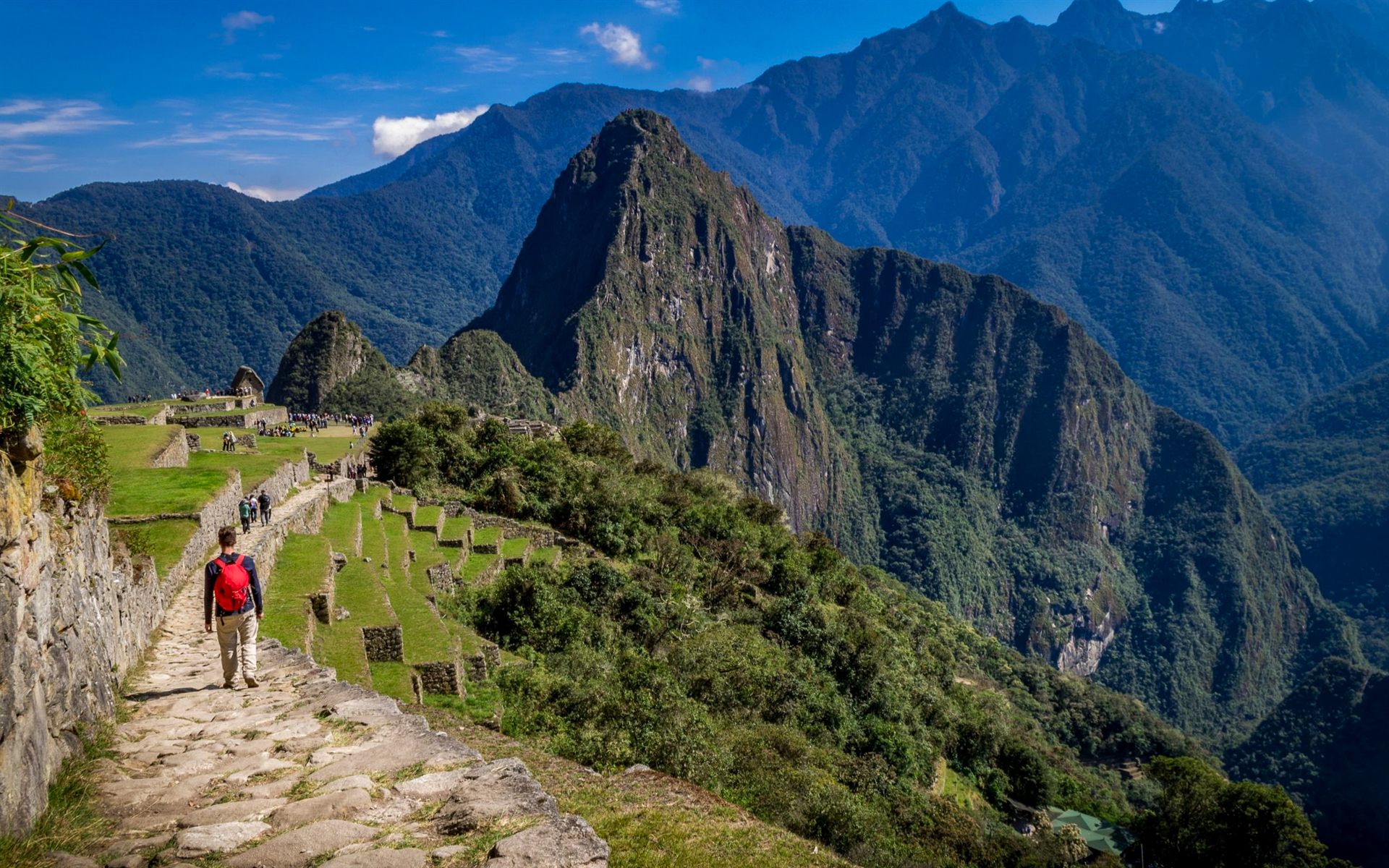
Inca Trail arrives on foot through Intipunku (Sun Gate) with a dramatic first view over the citadel. Salkantay finishes in Aguas Calientes. You enter Machu Picchu by the standard gate at your timed slot the next day. You do not approach via the Sun Gate.
Scenery and feel
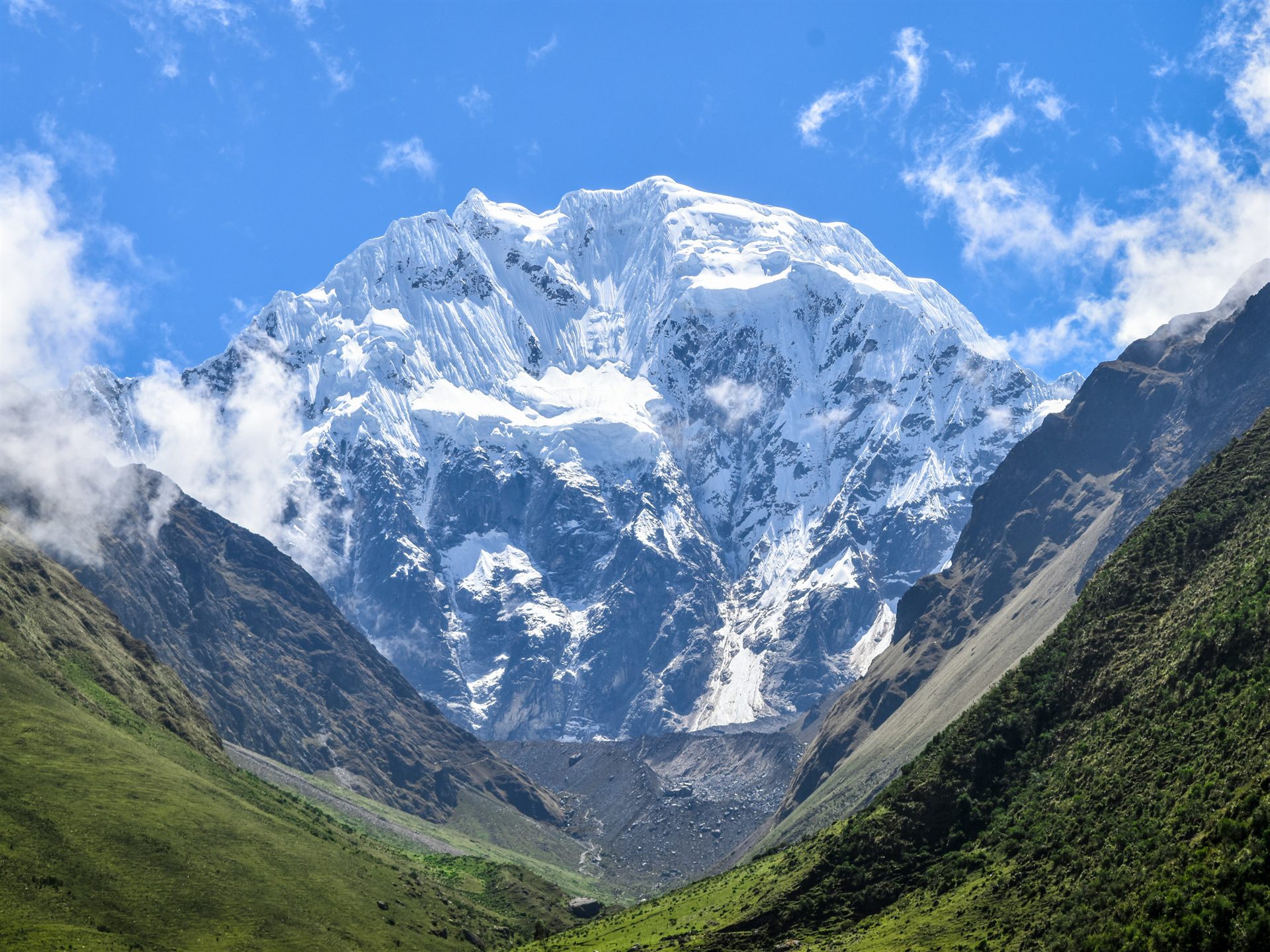
Inca Trail focuses on history: stone steps, tunnels, terraces, and multiple Inca sites set in cloud forest and high passes. Salkantay is about raw mountain landscapes: glaciers, a high pass near Mount Salkantay, blue lakes like Humantay, then the green transition to subtropical forest.
Altitude profile
Inca Trail 4D tops out around 4,215 m at Warmiwañusqa, with long stone stairs. Salkantay crosses a higher pass, about 4,600 m, which many hikers feel as the toughest single climb. The rest descends toward warmer valleys.
Comfort and style
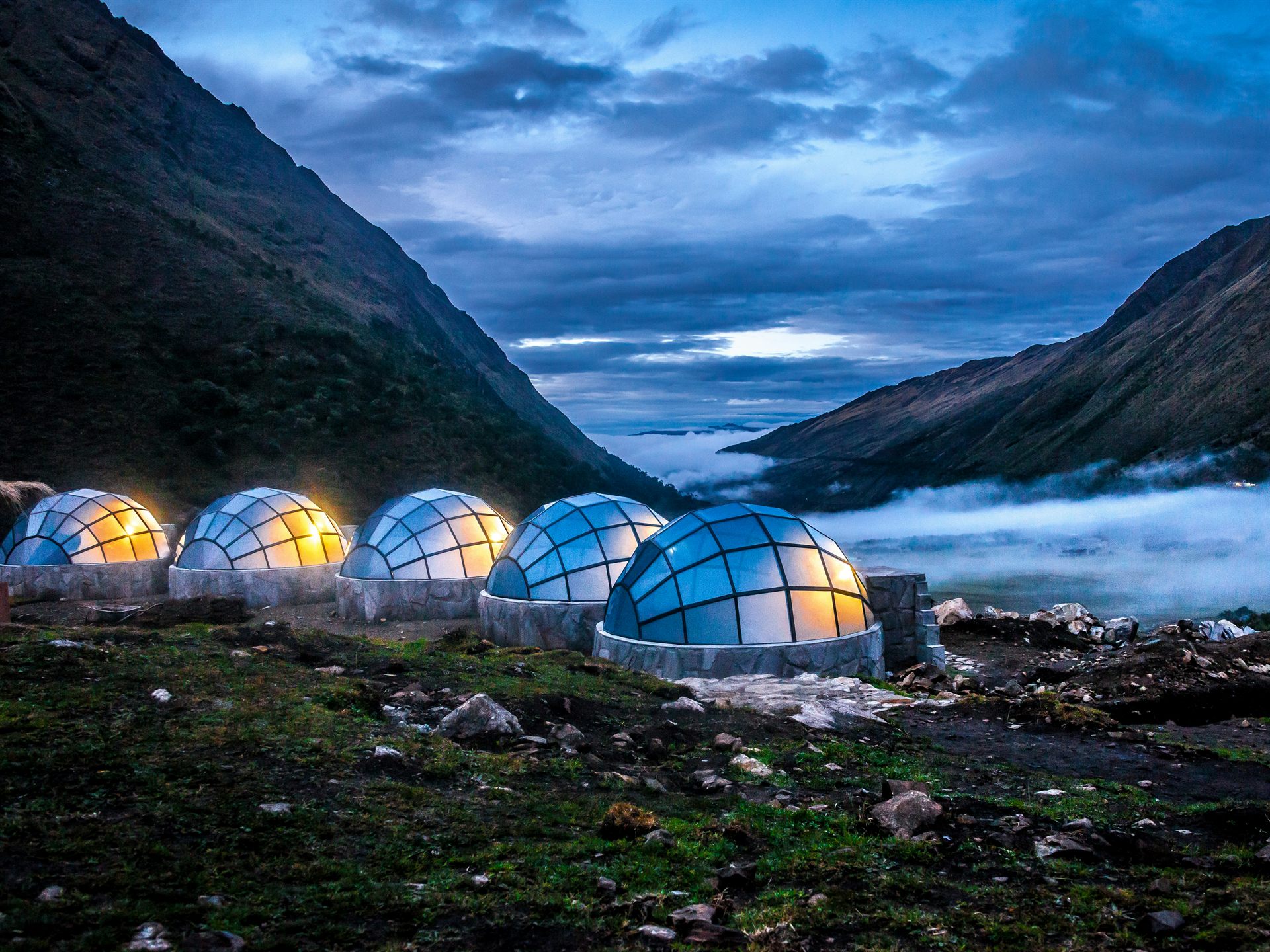
Inca Trail is classic camping with porter support and fixed camps. No horses are allowed on the stoneway. Salkantay offers tents, glass-domes or mountain lodges depending on the operator. Horses or mules typically carry the duffels.
Availability and flexibility
Inca permits dictate your date. Changes are very difficult once issued. Salkantay is more flexible on dates. The main limit becomes Machu Picchu ticket times and trains.
Permits, Tickets, and What Your Passport Is Used For
Inca Trail permits
Issued for a specific date and passport identity. Operators submit your details and reserve. Name or date changes are usually not allowed.
Machu Picchu entry
Both routes require a timed circuit ticket for the citadel day. Add-on hikes such as Huayna Picchu or Huchuy Picchu are separate and very limited.
Trains and buses
The Short Inca Trail uses a train drop at Km 104 to start the hike. Most itineraries use bus and train services between Aguas Calientes and the Sacred Valley or Cusco.
February note
The Classic and Short Inca Trail are typically closed in February. Salkantay operates year-round, but it can be wet and muddy.
Full At-A-Glance Table
| Topic | Inca Trail 4D | Inca Trail 2D | Salkantay 5D/4N | Salkantay 4D/3N |
|---|---|---|---|---|
| Permit | Required and very limited | Required and limited | No trail permit | No trail permit |
| Machu Picchu entry | Arrive via the Sun Gate at dawn on day 4, guided visit same or next day | Hike from Km 104, enter via Sun Gate afternoon day 1, guided visit day 2 | Arrive to Aguas Calientes, visit Machu Picchu next day by timed ticket | Same as 5D itinerary |
| Distance | About 42 km total | About 10 to 12 km | About 70 to 74 km (operator routes vary) | About 60 to 65 km |
| Highest point | Warmiwañusqa (Dead Woman's Pass) about 4,215 m | Abra above Wiñay Wayna section about 2,700 m | Salkantay Pass about 4,600 m | Same pass, faster pacing |
| Terrain and highlights | Ancient stone pathway, multiple Inca ruins, cloud forest, engineered steps | Wiñay Wayna ruins, Sun Gate views, single big hiking day | Big-mountain Andes scenery, glaciers, turquoise lakes, transition to jungle | Same scenery on a tighter schedule |
| Crowds | Capped by permit, steady but regulated | Limited by permit, quieter than the 4-day | Fewer controls, can be busy in peak season near popular camps | Similar, with fewer nights |
| Comfort | Camping with porter support | Hike + hotel in Aguas Calientes | Camping or dome lodges, horse support for duffels | Same with one less night |
| Book-ahead | Months in advance, especially dry season and holidays | Weeks to months in advance | Shorter notice often possible; Machu Picchu tickets still limited | Same |
| Who it fits | Bucket-list hikers who want the Sun Gate arrival and archaeology focus | Travelers short on time who still want the Sun Gate | Strong hikers who prefer alpine scenery, fewer rules, or missed Inca permits | Fit hikers on tighter schedules |
Detailed Itineraries and Daily Profiles
01
Inca Trail, Classic 4 days
4 Days / 3 Nights · About 42 km total · Tents with porter support
Inca Trail, Classic 4 days
4 Days / 3 Nights · About 42 km total · Tents with porter support- Day 1: KM 82 trailhead to first camp. Rolling terrain, first ruins and cloud forest.
- Day 2: Long ascent to Warmiwañusqa about 4,215 m, then a big descent to camp. The toughest day for most.
- Day 3: Undulating trail past multiple archaeological sites, stone steps and a short tunnel.
- Day 4: Pre-dawn walk to Sun Gate for the first view of Machu Picchu, then guided visit. Train back in the afternoon or evening.
02
Inca Trail, Short 2 days
2 Days / 1 Night · About 10 to 12 km on the hiking day · Hotel night in Aguas Calientes
Inca Trail, Short 2 days
2 Days / 1 Night · About 10 to 12 km on the hiking day · Hotel night in Aguas Calientes- Day 1: Train to Km 104, hike past Wiñay Wayna, reach Sun Gate by late afternoon and see Machu Picchu from above, then bus to Aguas Calientes hotel.
- Day 2: Morning guided visit inside Machu Picchu on your assigned circuit, return by train.
03
Salkantay, 5 days 4 nights
5 Days / 4 Nights · About 70 to 74 km · Tents, domes, or lodges depending on operator
Salkantay, 5 days 4 nights
5 Days / 4 Nights · About 70 to 74 km · Tents, domes, or lodges depending on operator- Day 1: Transfer to high valley, optional side hike to Humantay Lake.
- Day 2: Climb to Salkantay Pass about 4,600 m, then descend into greener valleys.
- Day 3: Coffee and orchid country, warmer weather, rivers and waterfalls.
- Day 4: Trek toward the Hydroelectric area, continue by foot or short train to Aguas Calientes.
- Day 5: Morning Machu Picchu visit by timed ticket, return to the Sacred Valley or Cusco.
04
Salkantay, 4 days 3 nights
4 Days / 3 Nights · About 60 to 65 km · Same route with tighter pacing
Salkantay, 4 days 3 nights
4 Days / 3 Nights · About 60 to 65 km · Same route with tighter pacing- Route overview: Same route with tighter pacing. The long pass day and the approach to Aguas Calientes are condensed. Expect earlier starts and longer walking hours on one or two days.
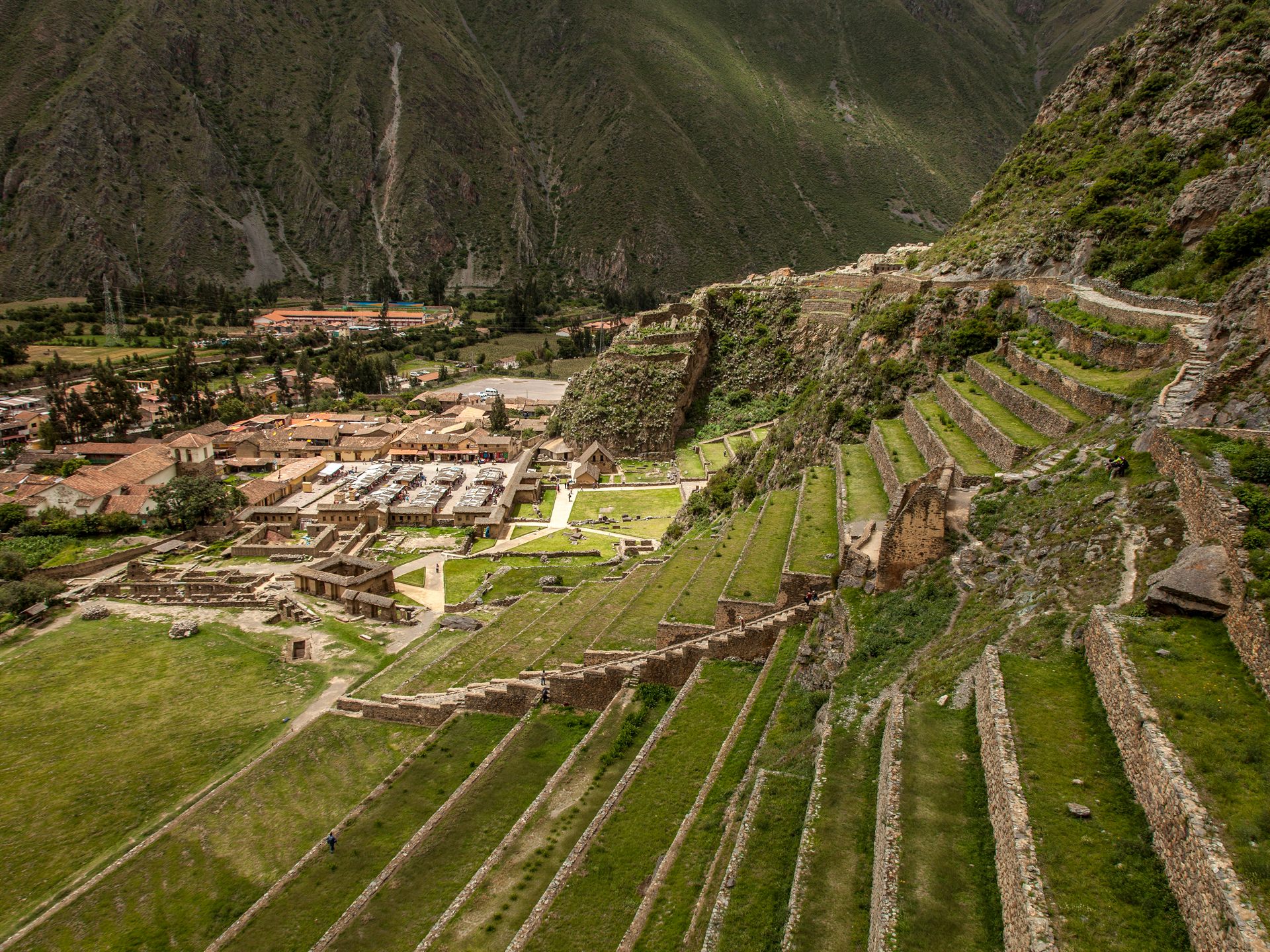
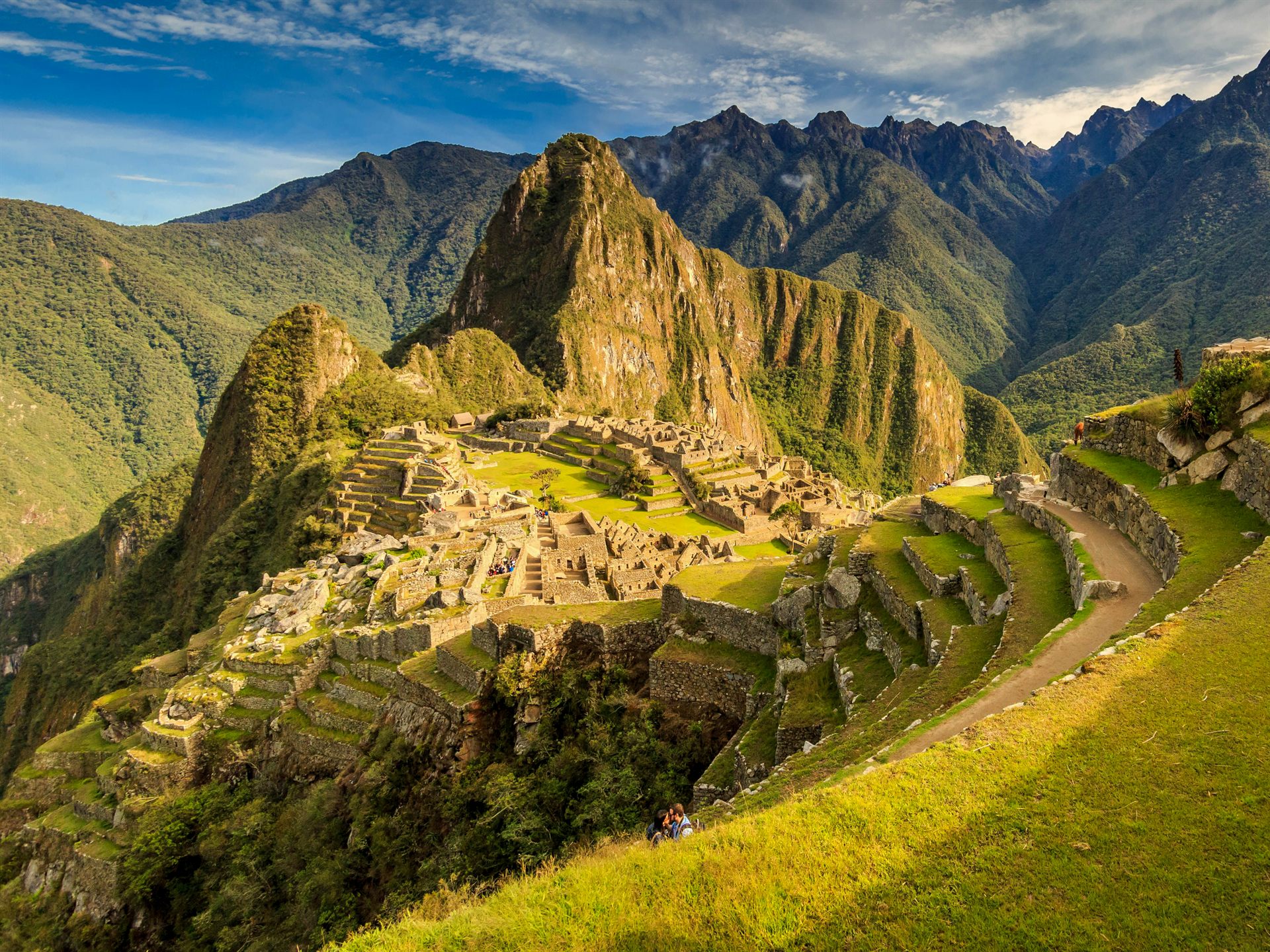
Difficulty and Fitness
Inca Trail 4D: Moderate to hard. The challenge is the stair-like stone path and a full day above 4,000 m.
Inca Trail 2D: Moderate. One long day of hiking to the Sun Gate at lower altitude than the 4D pass.
Salkantay: Moderate to hard. The single high pass at about 4,600 m makes day two the crux. The remaining days are easier, though mileage can be higher.
Training Tips Before Departure
- Arrive with cardio base from regular hikes, running, or cycling 3 times per week for 6 to 8 weeks.
- Practice elevation gain with stairs or hill repeats.
- Use trekking poles and learn to descend on uneven surfaces to protect knees.
Altitude and Acclimatization Plan
Plan 2 nights in Cusco or the Sacred Valley before any of these treks, 3 nights if you are sensitive to altitude.
Hydrate, avoid heavy alcohol, and consider a gentle acclimatization hike on day 2.
Common symptoms of mild altitude discomfort include headache and sleep disturbance. Report anything severe to your guide immediately. Guides carry oxygen and have evacuation procedures.
Seasonality and Weather
Roughly May to September. Cold nights, clear mornings, busiest months.
April and October can be ideal.
November to March. Expect showers, slippery surfaces, and possible itinerary tweaks. The Inca Trail is usually closed in February.
Nights near or below freezing at high camps, warm afternoons in lower valleys, especially on Salkantay's jungle side.
- Dry season dates require early booking for Inca permits.
- Rain protection is critical on Salkantay in the wet months.
- Dome and lodge options on Salkantay improve comfort in shoulder and rainy seasons.
Inca Trail Experience
Inca Trail feels regulated and curated. Permit caps spread groups along the route. Camps and passes can still feel busy at popular times.
Salkantay Experience
Salkantay has wider spaces and more route variants. Popular camps may feel busy in high season, while other stretches are very quiet.
Comfort Choices, Food, and Baggage
Inca Trail: tents, dining tents, and portable toilets run by your operator. Porters typically carry a 5 to 7 kg duffel per trekker. You carry your daypack.
Salkantay: tents or dome lodges with real beds at some camps. Pack animals usually carry a 5 to 7 kg duffel.
Meals on both routes are hearty and designed for altitude. Vegetarian, vegan, and gluten-free options are usually available with notice.
Cost Comparison and What Drives the Price
These are broad group-tour ranges to help you budget. Exact prices vary by season, inclusions, and operator quality.
Inca Trail 4D: typically higher due to permit scarcity, porter teams, and logistics.
Inca Trail 2D: mid-range since there is one hiking day and a hotel night.
Salkantay camping: usually more affordable than the Classic Inca Trail.
Salkantay lodge or glass-dome: closer to premium pricing due to lodging and amenities.
Logistics From Start to Finish
1. Choose your route and dates. If the Sun Gate experience defines your dream, choose the Inca Trail. If big mountains and flexibility sound right, choose Salkantay.
2. Check availability. Use the tool on this page to see permit counts for the Inca Trail and ticket counts for Machu Picchu. Pick a few backup dates.
3. Reserve. Provide passport scans as required. For the Inca Trail your permit is tied to this identity.
4. Acclimatize. Plan 2 to 3 nights in Cusco or the Sacred Valley before your trek.
5. Pack and prepare. Most operators provide a duffel for your porter or horse load. Weight limits are commonly 5 to 7 kg. Bring a daypack for water, layers, camera, snacks, and rain gear.
6. Trek. Daily briefings explain mileage, elevation gain, camp routines, and safety.
7. Machu Picchu day. Inca Trail: arrive via Sun Gate. Salkantay: bus up from town at your ticket time. Circuits are timed and one-way.
8. Return. Most groups take an afternoon or evening train to Ollantaytambo or Cusco.
Sustainability and Porter or Mule Welfare
Choose operators who pay fair wages, supply appropriate uniforms and footwear, limit carry weights, and follow Leave No Trace.
On Salkantay, mule loads should be balanced and within humane limits.
Use refillable bottles. Many camps now support filtered or boiled water.
Which Trek Should You Choose?
Pick Inca Trail 4D if:
- • The Sun Gate arrival is your dream moment.
- • You want an archaeology-focused route with multiple ruins along the way.
- • You can plan months ahead and prefer a curated experience.
Pick Inca Trail 2D if:
- • You want the Sun Gate but have one day to hike.
- • You prefer to sleep in a hotel rather than camp.
- • You want a lower-altitude hike than the 4-day pass.
Pick Salkantay 5D/4N if:
- • You want alpine views, glaciers, and lakes with more route flexibility.
- • You are comfortable with a higher pass day around 4,600 m.
- • You like the idea of domes or lodges or classic camping.
- • Inca permits are sold out but you still want a world-class trek.
Pick Salkantay 4D/3N if:
- • You are a fit hiker on a tighter schedule.
- • You accept longer days and earlier starts to condense the route.
Packing List Essentials
- Footwear: broken-in hiking boots with grip.
- Layers: moisture-wicking base, warm midlayer, insulated jacket, waterproof shell, hat and gloves.
- Sleep system: operator-provided sleeping bag rating varies. Night temps can drop near or below freezing.
- Daypack: 20 to 30 liters with rain cover.
- Poles: rubber tips recommended to protect stone surfaces.
- Water: two bottles or a 2 to 3 liter bladder, plus purification method if you prefer.
- Sun and rain: sunblock, sunglasses, brimmed hat, quick-dry clothes, packable rain pants.
- Personal: small first aid kit, blister care, medications for altitude as advised by your doctor, headlamp, power bank.
- Documents: passport for permits, tickets, and train checks.
Inca Trail vs Salkantay FAQ
01
Is the Inca Trail harder than Salkantay?
The highest point on Salkantay is higher. The cumulative stairs on the Inca Trail surprise many hikers. If you train, both are achievable.
02
Can I do Salkantay without a guide?
Yes in principle, though most travelers prefer guided groups for logistics, safety, and campsite bookings. The Inca Trail must be guided by a licensed operator.
03
Do I still need tickets if I trek the Inca Trail?
Yes. Your operator includes the Machu Picchu entry with a timed circuit tied to your permit itinerary.
04
Can I add Huayna Picchu or Huchuy Picchu?
Often yes. They are limited and should be requested when you book to match your entry time.
05
What happens if my passport number changes?
Tell your operator immediately. Some changes can be updated before issuance. After issuance, changes are usually not allowed on the Inca Trail.
06
When should I book?
As early as possible for the Inca Trail, especially May to September and holidays. Salkantay is more flexible, yet Machu Picchu ticket times still sell out.
Booking Checklist You Can Copy
- Decide route and timeline.
- Use the availability tool on this page to check your dates.
- Choose a primary date and two alternates.
- Send passport details and deposit.
- Block acclimatization nights in Cusco or the Sacred Valley.
- Confirm luggage limits and gear rentals.
- Request add-on hikes if desired.
- Review your Machu Picchu circuit and time.
- Final payment and pre-trek briefing.
- Enjoy your trek and take it slow.
Choosing Your Unforgettable Approach
Choose the Inca Trail if the Sun Gate, history, and a permit-protected route define your Machu Picchu dream. Choose Salkantay if you want bigger mountains, flexible dates, and the option to stay in domes or lodges. Both deliver an unforgettable approach to Machu Picchu. Check permits and tickets with the tool below, then lock in your dates and start training with confidence.
Reserve Your Guide
A licensed local guide checks real availability with you, reserves your permits or tickets, and walks the route at your pace. Reserve for S/170 per person, credited toward your trip total. Your guide contacts you within 24 hours.
S/170 / person
100% credited to tripInca vs Salkantay
Permits & passes coordinatedLocal Guide Escrow
Fair pay & zero markup